
Mexico’s New Universal Healthcare System (2027): What Expats, Dual Citizens & Future Residents Need to Know

Published by Expats Living Abroad (ELA) — March 13th, 2026
Mexico is entering a transformative phase in its public infrastructure and healthcare is front and center. For anyone considering relocation, already living in Mexico, or holding dual citizenship, this is more than just policy news, it’s a strategic shift that directly impacts quality of life, cost of living, and long-term security.
Under the leadership of President Claudia Sheinbaum, Mexico is rolling out a Universal Healthcare System, with its first phase scheduled to launch in January 2027. While the rollout is phased and still evolving, the direction is clear: broader access, integrated systems, and a more inclusive approach to public healthcare.
This blog breaks down everything you need to know, practically, strategically, and through the lens of relocation planning.
What Is Mexico’s New Universal Healthcare System?
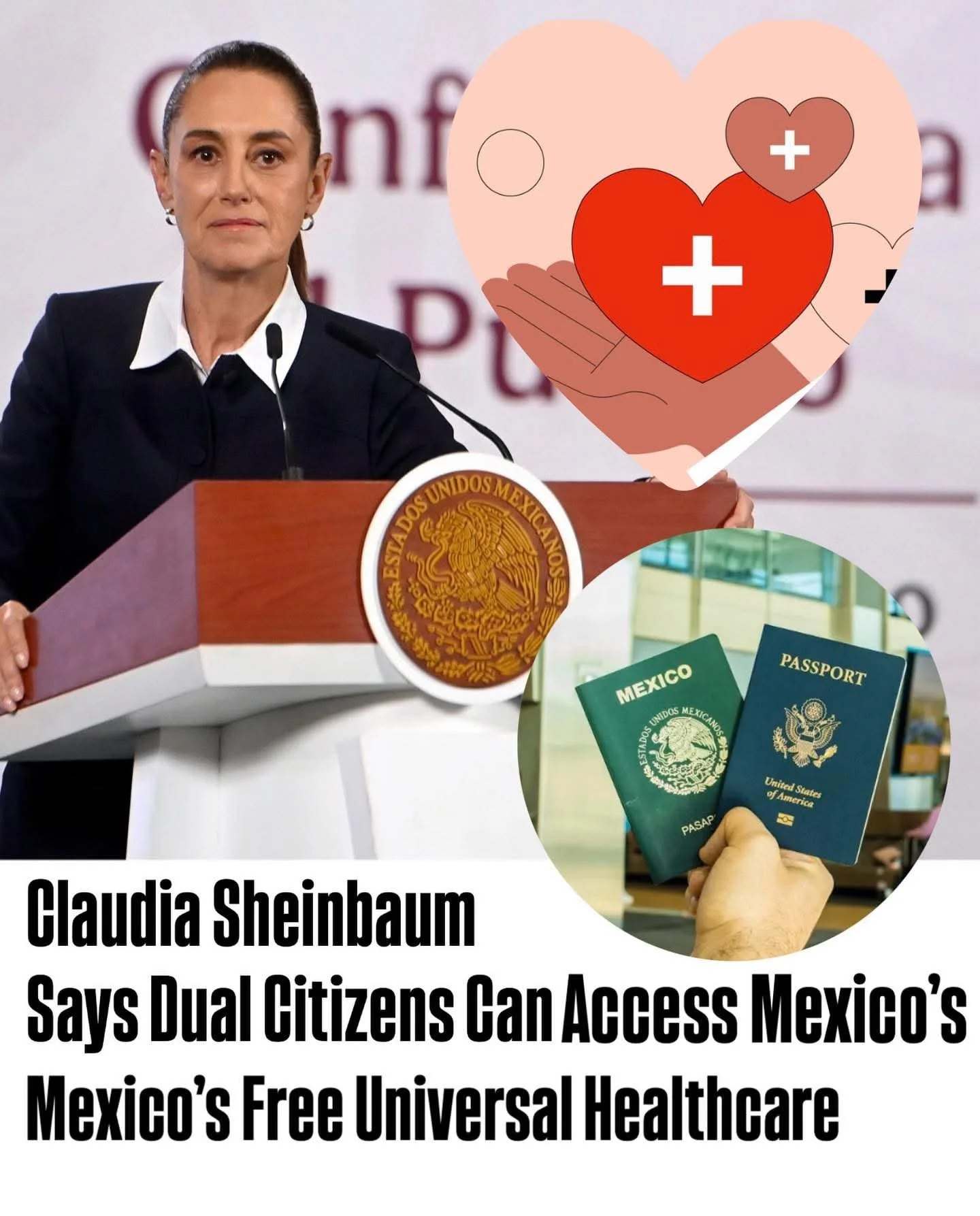
Dual citizens will be eligible for the new system
At its core, the new system aims to unify Mexico’s historically fragmented public healthcare networks into a more accessible, streamlined model.
Currently, Mexico operates across multiple institutions:
Instituto Mexicano del Seguro Social (IMSS)
Instituto de Seguridad y Servicios Sociales de los Trabajadores del Estado (ISSSTE)
IMSS-Bienestar (serving uninsured populations)
Each system has traditionally operated in silos, meaning access depended heavily on employment status or affiliation.
The new universal model changes that.
Key Objective:
👉 Allow individuals to receive care across institutions, regardless of where they are registered.
Translation:
Less bureaucracy
Greater flexibility
Broader access to essential services
What Healthcare Services Will Be Covered?
The first phase (starting 2027) focuses on essential, high-impact medical services. These include:
Emergency medical care
Hospital stays
High-risk pregnancy care
Treatment for heart attacks and strokes
Breast cancer diagnosis and ongoing cancer treatment
Kidney disease treatment
National vaccination programs
This is a strong foundational package—targeting the most critical and life-saving areas of healthcare.
Why This Matters for Expats
Healthcare is one of the top three decision drivers when relocating abroad (alongside cost of living and safety). Mexico’s move to strengthen its public system significantly enhances its global competitiveness.
In simple terms:
👉 Mexico is no longer just a “lifestyle destination”—it’s becoming a strategically viable long-term base.
The Latest Update: Dual Citizens Now Included
One of the most important recent developments is the inclusion of Mexicans with dual citizenship living abroad.
President Claudia Sheinbaum confirmed:
Dual citizens will be eligible for the new system
They can obtain a Universal Health Card
They will be able to access free public healthcare while in Mexico
Important Detail:
Even though a formal registration system for Mexicans abroad is still being developed, access to care has already been confirmed when physically present in Mexico.
Strategic Takeaway:
If you hold Mexican citizenship even if you live abroad you now have:
✔️ A healthcare safety net in Mexico
✔️ Increased flexibility in where you choose to live or retire
✔️ A powerful “Plan B” country for global mobility
Will This Apply to Expats and Foreign Residents?
This is the big question and where clarity is still evolving.
Current Reality (Pre-2027 System):
Foreign residents can already access healthcare in Mexico through:
Enrollment in Instituto Mexicano del Seguro Social (IMSS)
Private healthcare insurance
Out-of-pocket payments (which are relatively affordable compared to the U.S. and parts of Europe)
Under the New System:
The government has emphasized “universal access”, but historically, implementation follows this structure:
Likely Framework:
Mexican citizens → automatic inclusion
Permanent & temporary residents → eligible, but may require registration or contributions
Tourists / non-residents → not included
What This Means Practically
If you’re relocating to Mexico:
Residency will still be key
Enrollment processes will likely remain
Private insurance will continue to play an important role
The Universal Health Card: What We Know So Far
A central feature of the new system is the Universal Health Card, which will:
Grant access to public healthcare services
Serve as a unified credential across institutions
Eliminate the need to navigate multiple systems
Rollout Timeline:
April (initial phase): Registration begins for older adults
Gradual expansion nationwide
Current Limitation:
There is no finalized system yet for registering Mexicans abroad, but this is actively being developed.
How This Impacts Relocation to Mexico

Let’s zoom out and look at the bigger picture.
1. Mexico’s Value Proposition Is Strengthening
Mexico has always been attractive for:
Affordable cost of living
Rich culture and lifestyle
Proximity to the U.S.
Strong expat communities (especially in cities like Mérida, Playa del Carmen, and Mexico City)
Now, with healthcare improvements:
👉 The country becomes even more viable for long-term relocation and retirement.
2. Healthcare Costs May Become Even More Competitive
Currently:
Private healthcare in Mexico is already significantly cheaper than in the U.S.
Public healthcare is highly affordable (or free in some cases)
With universal expansion:
👉 The baseline level of care improves for everyone
This creates:
More options
Greater cost efficiency
Increased peace of mind
3. Dual Citizenship Is Becoming a Strategic Asset
If you qualify for Mexican citizenship:
👉 This healthcare system adds real, tangible value
Benefits include:
Access to free public healthcare
Mobility between countries
Reduced dependency on expensive international insurance
Should Expats Still Have Private Health Insurance?
Short answer: Yes, for now.
Even with universal healthcare on the horizon, a hybrid strategy is still the smartest approach.
Why?
Public systems globally (not just in Mexico) often involve:
Longer wait times
Limited specialist availability
Administrative delays during early rollout phases
Smart Strategy:
✔️ Public healthcare (when eligible)
➕
✔️ Private insurance (for speed, flexibility, and premium care)
This is how experienced expats structure their healthcare globally.
Comparing Mexico to Other Expat Destinations
Mexico’s move aligns it with other countries known for strong public healthcare systems, such as:
Spain
Canada
The UK
However, Mexico offers a unique combination:
Lower cost of living
Geographic accessibility
Growing infrastructure
Cultural richness
Competitive Edge:
👉 Mexicodelivers high lifestyle + improving infrastructure at a lower cost base
Potential Challenges to Watch
While the direction is positive, it’s important to stay grounded.
1. Implementation Timeline
Large-scale public systems take time to stabilize.
2. Regional Variations
Healthcare quality may vary between urban and rural areas.
3. Administrative Clarity
Rules for expats and residents are still being defined.
The Bigger Picture: Why This Matters Globally
Mexico’s healthcare reform isn’t happening in isolation.
Globally, countries are:
Competing for remote workers
Attracting retirees
Building infrastructure to support international mobility
Mexico is clearly positioning itself as:
👉 A serious contender in the global relocation market
Final Thoughts: Is Mexico Still a Smart Move?
In short: Yes and even more so now.
This new universal healthcare system signals:
Long-term government investment
Increased accessibility
A stronger safety net for residents and citizens
If You’re Considering Relocating to Mexico:
This is a net positive development—but not a reason to skip proper planning.
The Smart Approach:
Secure residency
Understand your healthcare options
Combine public and private coverage
Stay informed as the system evolves
For the Expats Living Abroad Community
AtExpats Living Abroad, we always emphasize:
👉 Relocation is not just about where you want to live, it’s about where you can thrive sustainably.
Mexico is proving, step by step, that it’s building for that future.
How We Actually Support You Relocate to méxico or Abroad GLOBALLY - LATAM| MENA | EMEA| APAC including Japan
We don’t sell passports.
We architect global lives.
At Expatriates Living Abroad (ELA), we specialise in bespoke, done-with-you relocation support — not generic advice.
We assist with:
Residency & visa strategy including Dual-citizenship pathways
Relocation strategy, planning & logistics
Housing support (rentals, purchasing and property management)
Local cultural integration guidance and compliance
Long-term lifestyle and ethical investment planning/guidance including financial advisory with tax implications
We assess who you are, where you’re going, and why — then align you with jurisdictions that make sense legally, socially, and financially.
We also collaborate with vetted professionals across immigration law, real estate, taxation, and on-the-ground relocation support to ensure every move is compliant, intentional, and future-proofed.
Whether you’re relocating from the U.S., Canada, or elsewhere, our role is to help you move legally, confidently, and strategically.
Ready to Take the Next Step?
📌 Book your bespoke relocation consultation with ELA here: 👉 Become a Client
Relocation doesn’t have to be stressful.
Done properly, it becomes one of the most empowering decisions you’ll ever make.
🌍✨ Let’s go beyond simply moving abroad, let’s do it thoughtfully, ethically, and with long-term vision.
Join us on YouTube and inside ourPodcast, where informed global citizens connect, learn, and grow, responsibly.
The future belongs to those who plan wisely. Let’s build yours.
📢 **Copyright & Intellectual Property Notice**
All content, including text, images, and original ideas published on this blog, is the intellectual property of Expats Living Abroad™️ and is protected by international copyright laws.
Unauthorized reproduction, in whole or in part, is strictly prohibited. If you wish to share our content, please link directly to the original article and credit Expats Living Abroad™️ as the source.
We actively monitor and take action against copyright infringement, including issuing formal DMCA takedown requests and pursuing legal remedies where appropriate.
📧 To request permission to republish our content, please contact us at: properties@expatslivingabroad.com.
© 2025 Expats Living Abroad™️ & Orové Properties™️. All Rights Reserved.
